I wrote this letter in response to my friend Aly Blenkin’s post ‘Untangling grief’. It’s my hope that our shared stories will shed light on the issues of mental health and comfort to others experiencing the untouchable sadness that comes with losing someone to a drug overdose. As Aly mentioned, this post could be triggering; I discuss mental illness, trauma, addiction, and loss.
Dearest Aly,
My panic attack rose inside me too but slowly as messages started seeping in that switched me to something being very, very wrong. Communication gets tangled in the shock of death. My sister in law first texted me thinking I already knew — “I dont know what to say…” Obviously I received this confused so all I could think about sending in reply was a question mark. Clocking my innocence she texted back with such loud urgency to get in touch with Daniel (my brother) now….
“…something has happened to Frank.”
I remember having to take some of my clothes off; the panic setting in. Pacing I sweated, waiting for my mum who I knew was on her way for a visit by some odd coincidence of time. At that moment she chimed the doorbell. She was due a visit for my birthday.
I ran frantically to let her in and greeted her not with a hello but a swollen and urgent “something has happened to Frank”. Her face dropped immediately because we knew. Life with Frank was always a roller coaster. We realised then that we were at the very top of the highest peak, right before the anticipation to fall puts your stomach so high up in your head you almost black out.
Somehow we made it up the stairs leaning on each other and managed to push the buttons on my phone to connect from Edinburgh to my brother Daniel in Arizona to be told that Frank in New York had been found dead in his bedroom on the Lower East Side.
Dear Aly — that muffled distance you spoke about oozed over me too as I screamed and threw my phone across the room only to look to my left to see my mum crumbled in a heap of tears and vacancy. I didn’t realise it then but I had just lost a little part of her too.
It would take a good month or more for us to realise Frank overdosed on fentanyl. Unlike your cousin, he knew. Computer savvy, he ordered it over the dark web. It was delivered to his apartment door like a care package. But here we are. Together wrapped up in statistics of a crisis that is silent and violent and incomprehensible in its scale.
Frank died in 2015, early in the third wave- the synthetic wave- of the opiate crisis [CDC]. This was the same year where life expectancy entered a period of sustained decline in the US, largely due to overdoses [Nature, 2019]. Deaths involving synthetic opioids in 2020 was more than 18 times the number in 2013. 56,000 families like ours, grappling with the untouchable loss and stigma associated with an overdose. This number has only accelerated through the pandemic. My belief is that it will just keep growing.
When you texted me asking to share my writings on grief I had nothing to show. My memories of that moment and the corresponding years are wrapped up in a notebook stored safely away at my parents. It’s also seared into my mind. I feel I carry its weight everywhere, still.
But your writing merited a response and I hope will come as some comfort that my grief, some nearly 7 years since we lost Frank, was not at all far away from yours. It is something we share. An act of carrying the load.
Frank too was a bright light. A wickedly funny, deeply kind soul with an intelligence unparalleled. But he existed in discomfort. It started in high school. I grew up with him in and out of hospital. But like your cousin, it was when we thought he was settling and finding happiness that we lost him. How do we get below the surface?
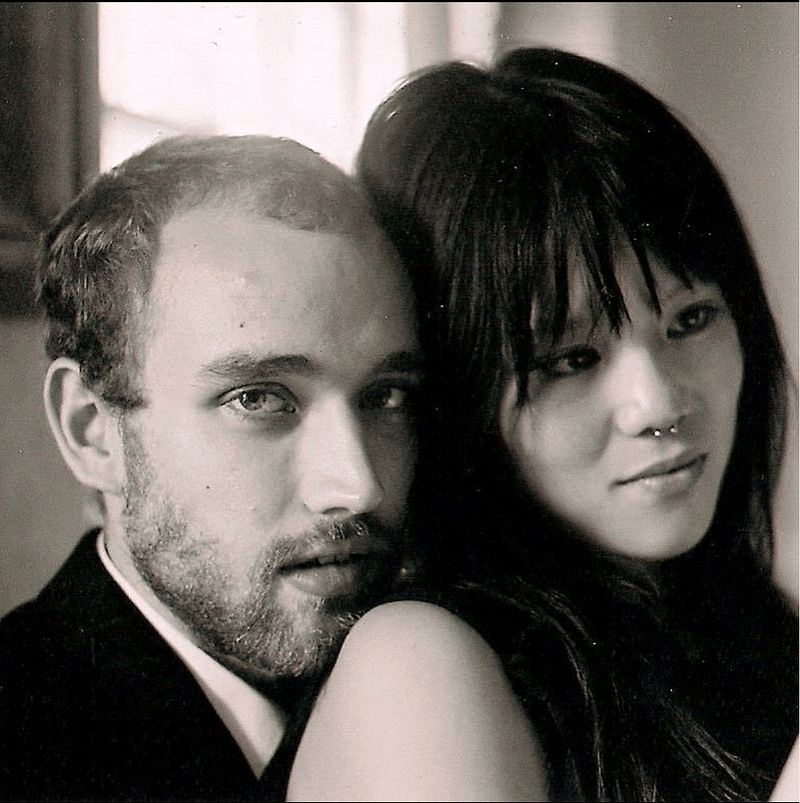
Like you, I’ve tried to untangle the roots. I’ve done that in part by literally doing so- by digging and tending the land. I’ve become more curious about family history and obsessed in associating the moments across Frank’s 28 years. I pieced together his last days like a detective as I weaved throughout New York in the weeks after his funeral talking to people and trying to make sense of what had happened. We built an understanding through storytelling laden with cracks. I’m not surprised it’s hard to piece together and therefore impossible to come to terms with. This grates me to this day.
Frank lived quietly, in a world of multiplicity. It was only after he died I learned of his internet gaming life where he was making lots of money and of the global gamers who asked where he was when he no longer showed up. I didn’t know he bought groceries for the man up the block that couldn’t afford them. I already knew about his teacher life and how much his students adored him. I knew about his struggles with sleep. I knew about his pool team (vaguely) but not how good he was. I didn’t know he was definitely an alcoholic and probably an addict. I knew his was suffering from PTSD but not what hold it had on him. I always knew how funny he was and how loved he was for it. I knew about his relationship to the bar because the last time we were together I drank too much with him in it.
The truth is, even years later grief still spills over into everyday life. I don’t think as a family we’ve truly processed our unspoken truths. We’ve touched them, sometimes we pet them, turn them sideways and upside down but most of the time we recoil. Some even chose not to open the box. Trauma and abuse shape the history of my extended family. I’m the only female without a history of an eating disorder. Alcoholism, named or otherwise, is rife. There’s no shortage of love though and we’re proof that even with the resources to build a safety net people slip through.
Frank’s death feels a dropped stitch in this tapestry of historical trauma and grief carried through generations. Imprinted into our being. I have found it so hard to knit truths together because some people literally blank what happened to them, others haven’t been taught to find the words to articulate a memory. And so the untruths accumulate, like plaque on unbrushed teeth.
The known fact that people exploit this imprinting for financial gain tangles my personal roots into knots of rage. It’s well documented that years of aggressive and misleading promotion by Purdue Pharma entrenched misinformation that opioids were without risk [Lancet, 2021]. I’ve bought the book Empire of Pain by Patrick Radden Keefe on the secret history of the Sackler dynasty who own Purdue, but I can’t bring myself to read it yet. It’s still too hot to the touch.
It feels much harder to move through loss when it’s not done collectively. I think this is why some get so stuck. But I’ve got you and you’ve got me. I also have those that carry memories of Frank with them. It brings me a lot of comfort to bring him back through sharing. I hope we see each other soon to swap stories of the ones we’ve lost.

My personal regrowth remains imperfect. It was nurtured most by a fallow year that I held after Frank’s death. I really didn’t do very much at all. Since, I’ve found my medium in plants and a career in design. I write about their probable healing powers in ‘Grow me Well’. I’ve also probably smoked too much weed. Bad habits don’t run far from the tree.
This October, it will be seven years since fentanyl snatched Frank. Last year marked a transition for me where I felt more like I was carrying him with me rather than wondering where he is. I’m also hopeful about health justice movements but I’m still riddled with sadness about the untamed pharmaceutical industry and their power. So knotted are our roots in these systems of exploitation it’s hard not to feel root bound.
Thank you for sharing your untangling Aly which has provided me with courage to share my progress. May we continue to help each other find the words and stop recoiling from our pasts and family histories.
Should anyone want to share their story in a letter, I pass it onto you.
 Lucy Stewart
Leave a comment